Cold Storage for Rent
Urban distribution, fresh food retail, and pharmaceutical logistics continue to drive demand for cold storage, small cold storage for rent have become an efficient response. Compared with large centralized cold warehouses, small cold storage for rent requires lower upfront investment, faster installation, and standardized operation. Their design must balance temperature stability, operating cost, and tenant flexibility to achieve long-term profitability.
Size Configuration and Temperature Range of Small Cold Storage for Rent
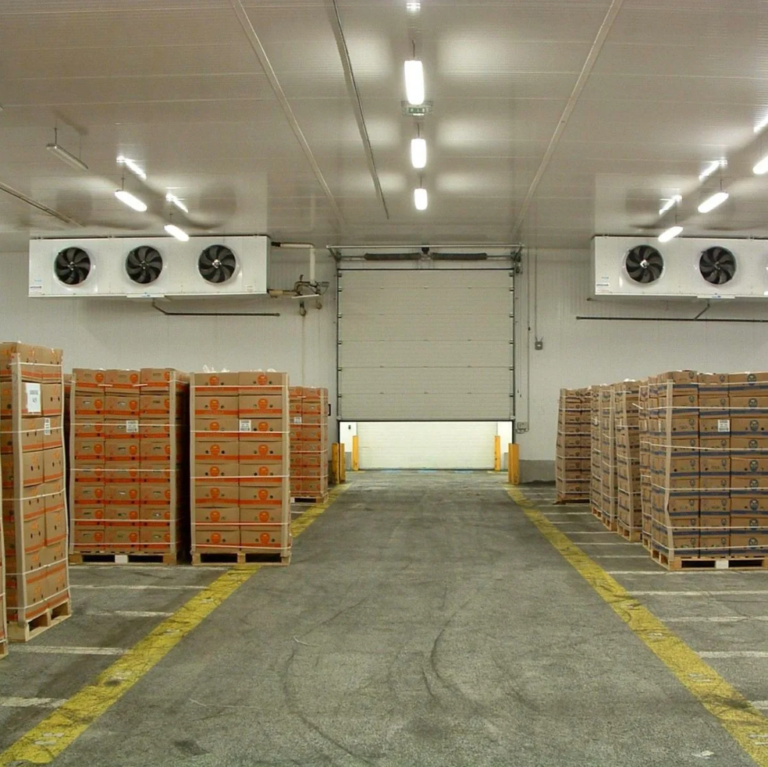
Cold storage for rent usually fall within a floor area of 20 to 200 square meters. This size range allows landlords to serve multiple tenants while maintaining high space utilization. Ceiling heights typically range from 3.0 to 4.5 meters, which supports pallet stacking while limiting cooling volume. Modular panel systems allow owners to divide or combine units as tenant demand changes.
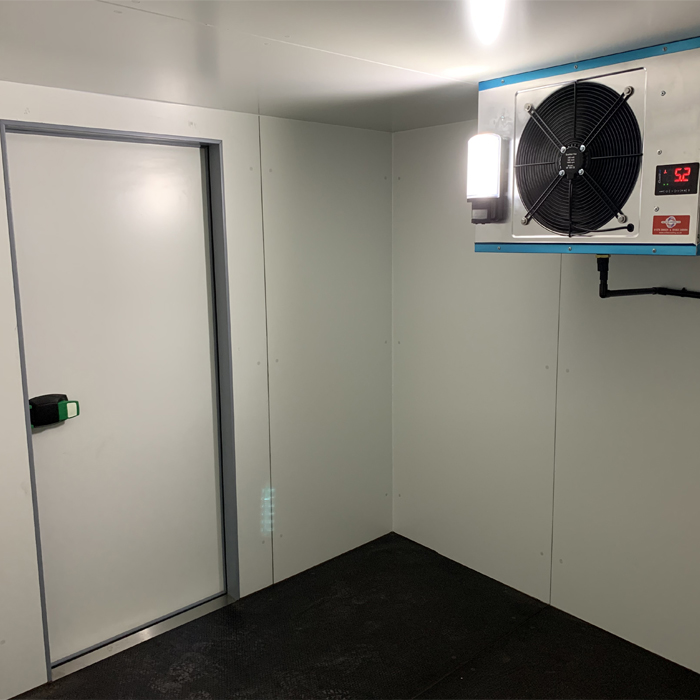
Temperature zoning represents a core design factor. Most rental cold rooms operate within common commercial ranges. Chilled storage for fruits, vegetables, and dairy usually runs between 0°C and 4°C. Frozen storage for meat and seafood typically operates at −18°C to −22°C. Pharmaceutical tenants often require tighter control, such as 2°C to 8°C, with temperature deviation limits of ±0.5°C.
Accurate insulation design supports these requirements. Polyurethane sandwich panels with thicknesses of 75 to 120 millimeters achieve thermal conductivity values near 0.022 W/m·K. This performance reduces heat gain and stabilizes internal conditions. Proper sizing and zoning ensure each tenant pays only for the capacity and temperature level they actually need.
Refrigeration Systems and Energy Efficiency
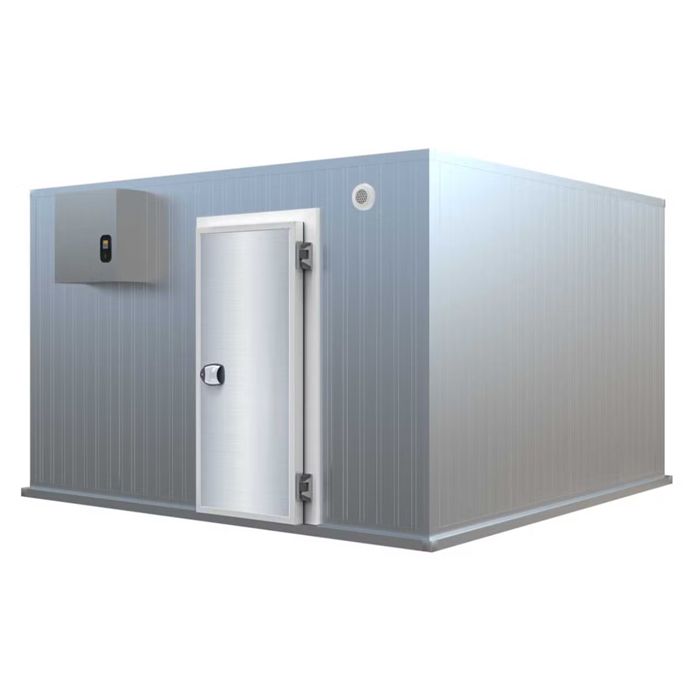
Refrigeration equipment selection directly affects rental operating costs. Small cold storage units often use scroll or semi-hermetic compressors with cooling capacities ranging from 3 to 30 kW per unit. These systems match partial-load conditions more efficiently than oversized centralized equipment. For example, a 50-square-meter cold room at −18°C typically requires about 7 to 9 kW of refrigeration capacity, depending on insulation and door frequency.
Energy consumption remains a critical concern for landlords. Well-designed small cold rooms consume approximately 25 to 40 kWh per square meter per month under stable operation. High-efficiency evaporators and electronic expansion valves reduce compressor runtime. Variable-speed condenser fans further cut electricity use during low ambient temperatures.
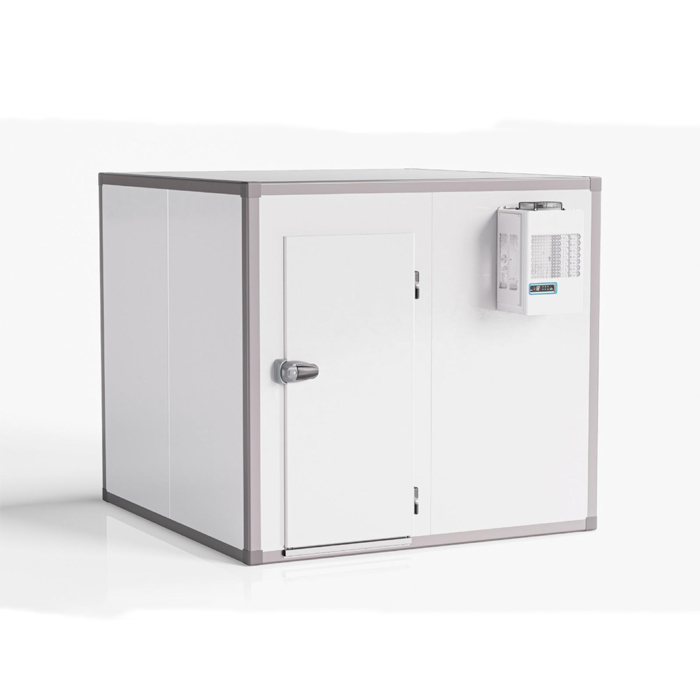
Defrost management also affects performance. Electric or hot-gas defrost cycles usually occur two to four times per day, with each cycle lasting 15 to 30 minutes. Intelligent controllers adjust defrost frequency based on frost accumulation rather than fixed schedules. These measures reduce unnecessary energy waste and maintain consistent cooling capacity for tenants.
Prefabricated Cold Storage Solution for Rent from Dongan Building
As a leading provider of cold storage solutions in China, Harbin Dongan Building Sheets Company provides its own solutions for the cold storage leasing market.
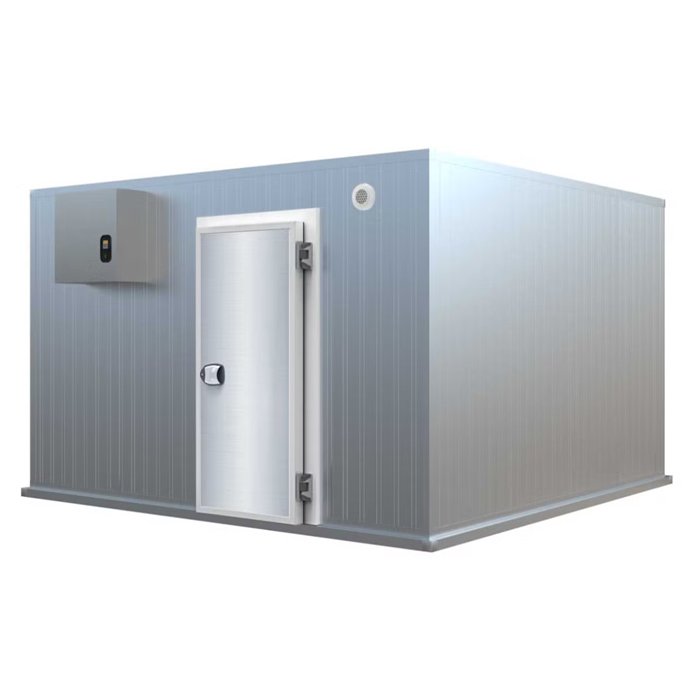
Dongan Company designs a variety of small prefabricated cold storage in response to market demand. The capacity of these cold storage is between 2-15 tons. According to the cold storage, people can install wheels for these cold storage, which provides the possibility for the movement and flexible configuration of the cold storage. The cooling temperature of the pre-installed cold storage is -18 to 10 °C. This allows cold storage to perfectly meet the storage needs of food, flowers, and medical supplies.
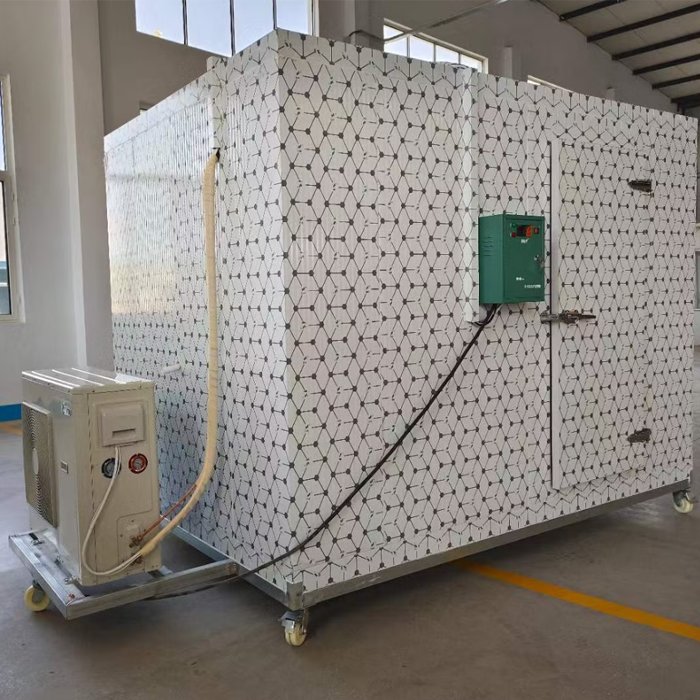
Prefabricated cold storage is equipped with high-quality 100mm thick polyurethane cold storage panels. It can effectively improve the operating efficiency of refrigeration equipment and save energy consumption for users. At the same time, the core components such as compressors and expansion valves of internationally renowned brands are used to improve the cooling effect and service life of the entire system.
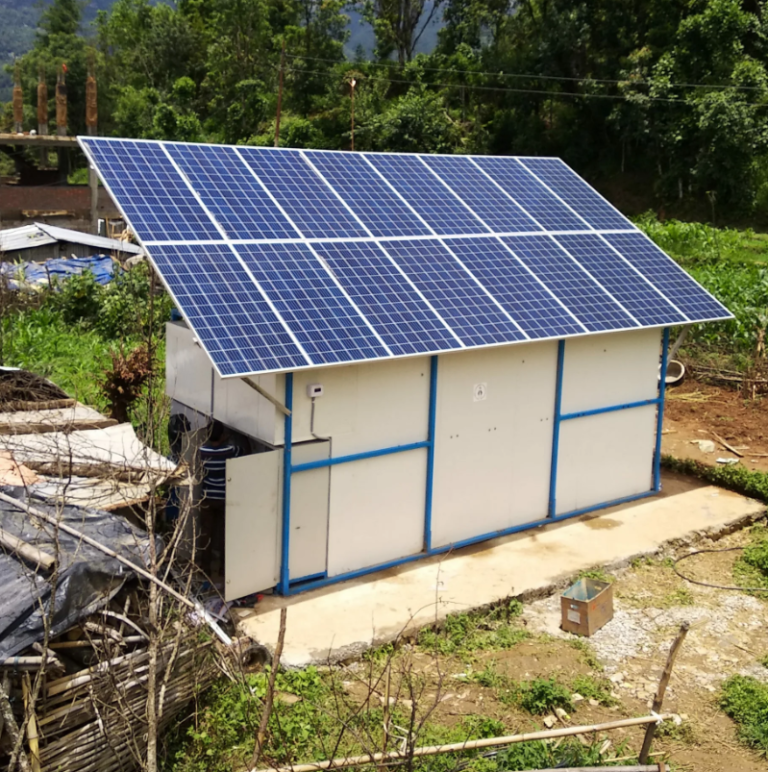
For areas with unstable power supply, Dongan also designed solar cold storage. There are large solar photovoltaic panels on the top of the cold storage, which can effectively reduce the dependence of the cold storage on municipal power supply. This kind of cold storage is very suitable for developing countries or remote areas.
Share this content: