Mini Cold Room:High-Yield Option for Small Businesses
Mini cold room has become essential equipment for food outlets, florists, labs, and pharmacies that require reliable cold storage in limited space. Designed to maintain precise temperature ranges from +2°C to +8°C and as low as -20°C, a mini cold room delivers professional refrigeration without the footprint of industrial walk-in units.
Mini Cold Room: Smart and Flexible Choice
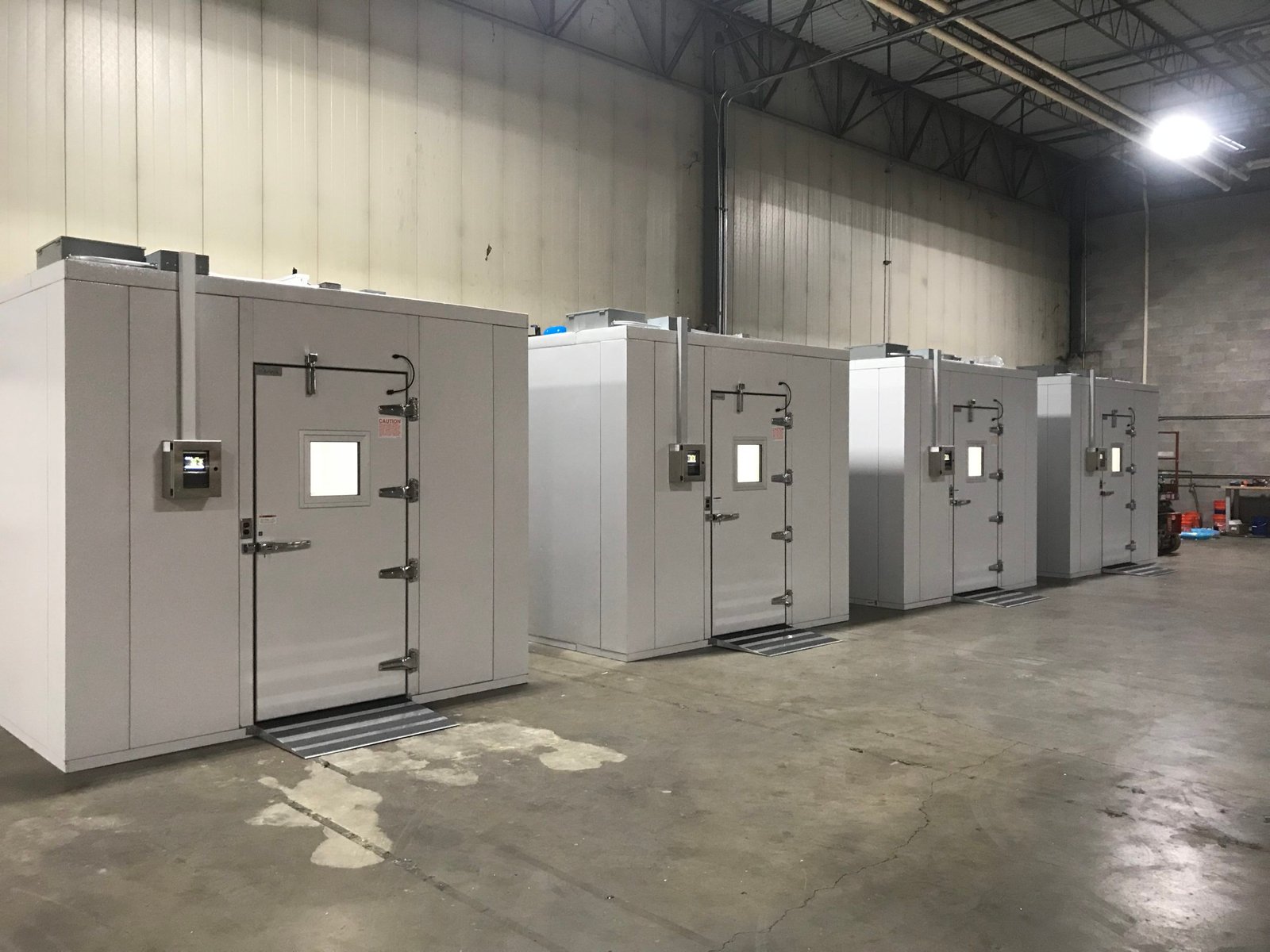
A mini cold room is a compact refrigerated storage unit built to control temperature and humidity more precisely than standard commercial refrigerators. These systems typically range from 2 m³ to 50 m³ in interior volume.

Many small hotels, grocery retailers, bakeries, and butcher shops choose mini cold rooms because they balance capacity with affordability. Unlike regular upright units, mini cold rooms let businesses store bulk items and organize inventory efficiently, reducing waste and improving supply planning.
Key components include insulated panels with a minimum R-value of R-12 to R-16 to reduce thermal transfer, a refrigeration system sized to the room volume, and digital temperature controls. Manufacturers often configure these units to run at 2°C to 8°C for fresh food and -18°C to -22°C for frozen storage. This versatility makes them more effective than basic freezers, especially when inventory demands fluctuate daily.
Core Benefits and Performance Data of Mini Cold Room

Mini cold room delivers practical advantages over traditional refrigeration, stimulating operational efficiency and product safety. Below are measurable benefits grounded in industry data:
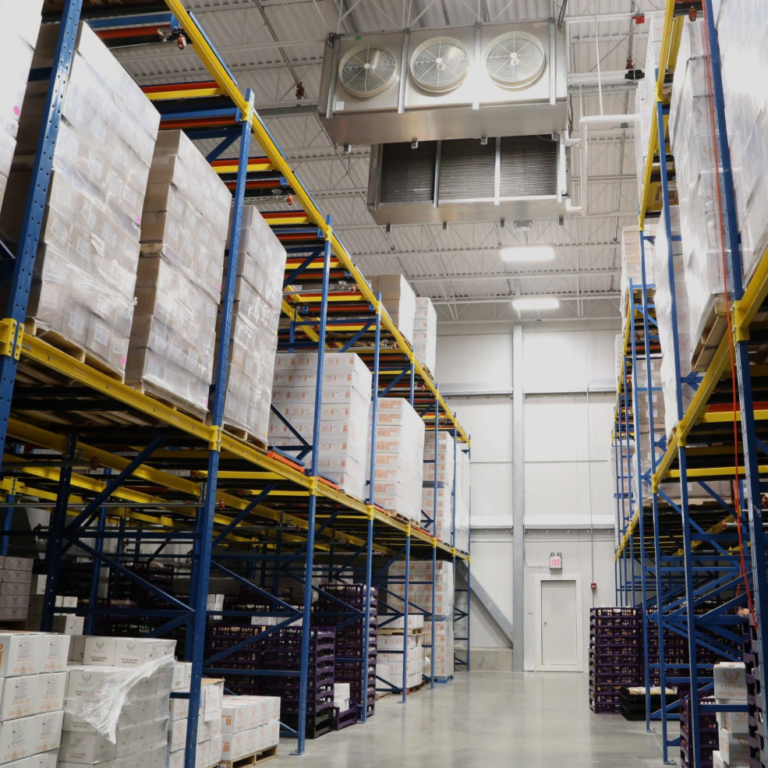
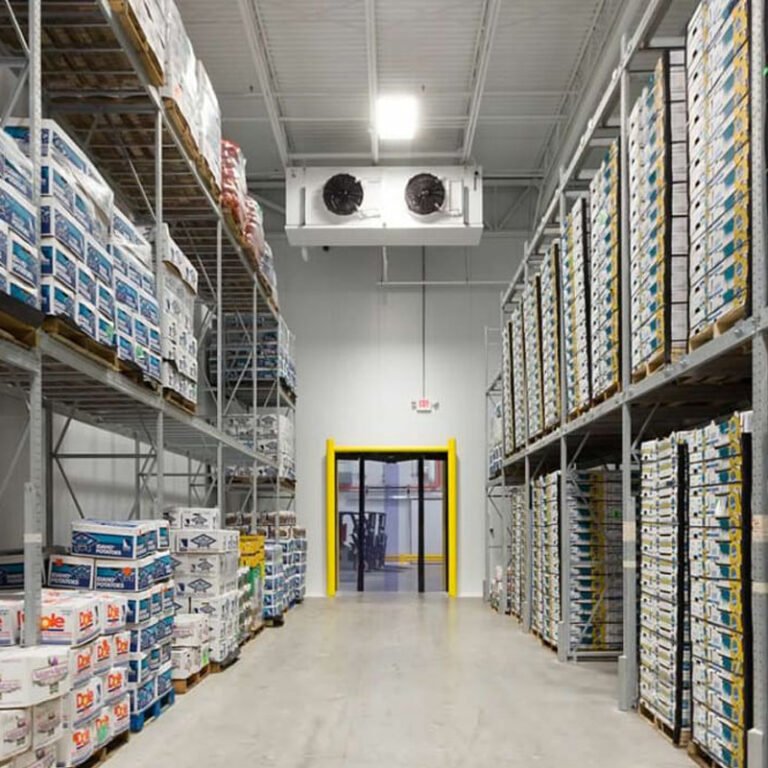
Improved Inventory Control. With organized shelving and a larger floor footprint than upright coolers, mini cold rooms reduce product spoilage by up to 30%, according to refrigeration industry benchmarks. This effect stems from improved airflow and easier access to stored goods.
Energy Efficiency. Modern mini cold rooms with high-efficiency compressors and adequate insulation can operate at 0.8–1.5 kW per day of energy consumption for volumes under 10 m³, depending on usage patterns and ambient temperatures. Compared with older models consuming over 2 kW per day, upgraded systems yield lower utility costs and improved ROI.

Design and Technical Specifications of Mini Cold Room
When businesses select a mini cold room, understanding key design specifications ensures optimal performance. The following factors determine how well the unit functions once installed:
Panel Insulation. According to the refrigeration temperature, panels typically measure 80 mm to 150 mm thick for mini cold rooms. Thicker panels yield a higher R-value and slower heat gain, which reduces compressor run-time. Units with R-16 panels outperform R-12 panels in energy efficiency under similar environmental conditions.

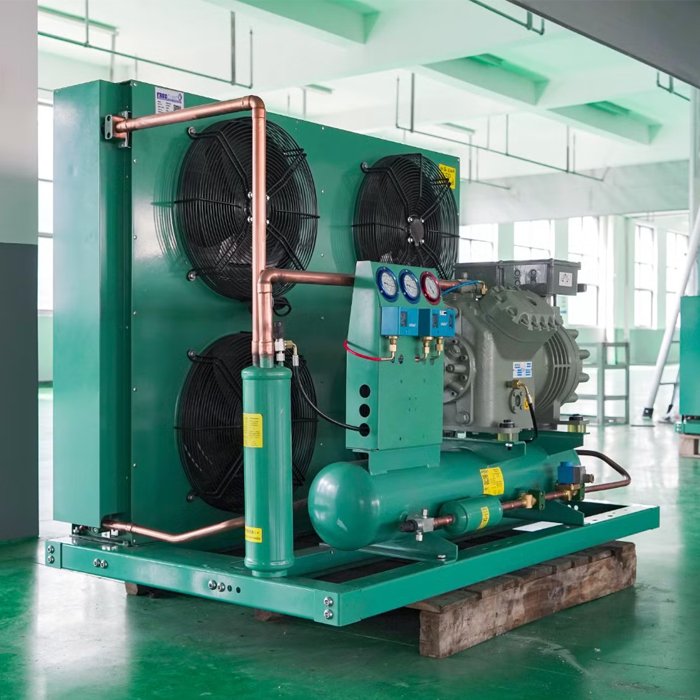
Refrigeration System. Most mini cold rooms use hermetic or semi-hermetic compressors matched to room volume. A 10 m³ cold room may include a 1.0 HP to 1.5 HP compressor, while a 5 m³ unit might operate with a 0.5 HP to 0.75 HP compressor. Manufacturers recommended refrigerants include R-134a for chilled applications and R-404A for sub-zero ranges, balancing performance and regulatory compliance.
Of course, this is not certain. For example, the prefabricated mini cold storage designed by Harbin Dongan Building Sheets Company has installed refrigeration equipment 2-3 HP. Such cold storage has better cooling effect and better quality.

Temperature Controllers. Digital controllers support precise setpoints and alarms. Users can set high-/low temperature limits and receive alerts when the unit exceeds thresholds. These controls often integrate with remote monitoring systems via Wi-Fi or GSM modules.
Flooring and Shelving. Anti-slip aluminum or fiberglass reinforced plastic (FRP) floors prevent corrosion and support loads up to 500 kg/m². Adjustable shelving must support refrigerated goods without obstructing airflow.
Installation, Maintenance, and Compliance Standards

Successful deployment of a mini cold room depends on correct installation, ongoing maintenance, and adherence to safety standards. These practices ensure longevity and regulatory compliance.
Installation Best Practices. Installers should place units on level concrete slabs with adequate drainage. Nordell and ASHRAE guidelines recommend a minimum clearance of 300 mm around the condenser to support airflow and heat rejection. Proper sealing of wall and ceiling interfaces prevents condensation and preserves energy efficiency.
The necessity of good design. Excellent suppliers will take into account the convenience of installation and construction when designing product solutions. For example, the mini cold storage solution of Harbin Dongan Building Sheets Company generally adopts the principle of modular design.

The room body of the mini cold storage is mostly made of prefabricated cold storage panels spliced and installed. There is a link device inside this prefabricated cold storage board. You only need to turn the switch to install the cold storage boards tightly together. This reduces the amount of PU foam used and the difficulty of operation.
The cold storage panel reserves space for pipes or chassis for refrigeration equipment. The parts of the cold storage are spliced together like building blocks. This provides great convenience for the installation and use of cold storage. This is very important in developing countries that lack trained workers and equipment.
Maintenance Protocols. Routine maintenance focuses on cleaning condenser coils every 90 days, inspecting door gaskets monthly, and verifying calibration of temperature controls semi-annually. Neglecting these tasks can increase energy use by 15% and raise the risk of spoilage.
Share this content: